Sleep is not a luxury. It is one of the most powerful tools your body and mind have for healing.
When sleep suffers, mental health often follows. Anxiety feels louder. Stress feels heavier. Emotions feel harder to manage.
Improving your sleep is not just about feeling rested — it’s about protecting your emotional well-being.
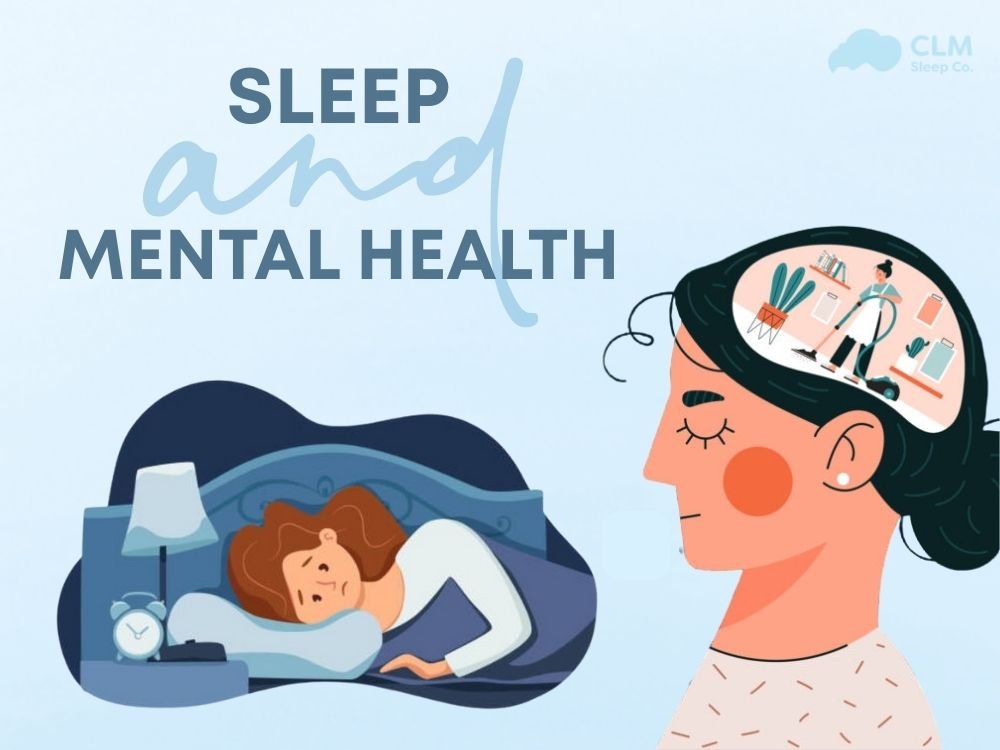
The Connection Between Sleep and Mental Health
Sleep and mental health are deeply connected.
Poor sleep can:- Increase anxiety and irritability
- Lower stress tolerance
- Affect concentration and memory
- Reduce emotional regulation
- Worsen symptoms of depression
At the same time, anxiety, overthinking, and stress can make it harder to fall or stay asleep.
It becomes a cycle — and breaking it gently is key.
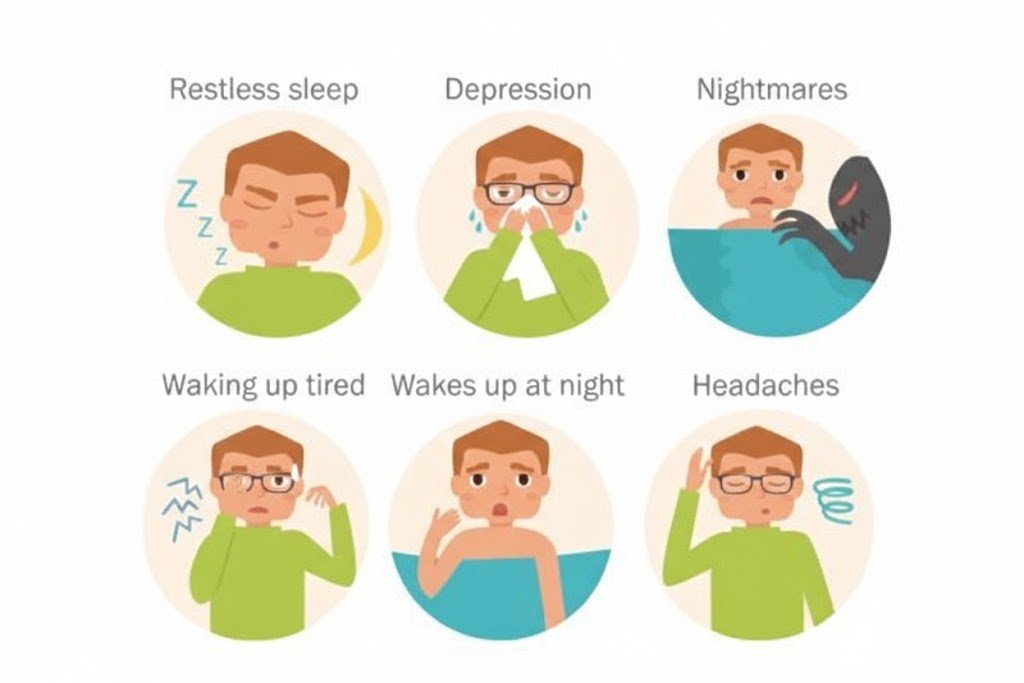
Signs Your Sleep May Be Affecting Your Mental Health
You may notice:
- Difficulty falling asleep due to racing thoughts
- Waking up frequently during the night
- Feeling tired even after 7–8 hours of sleep
- Increased mood swings
- Trouble focusing during the day
- Relying heavily on caffeine to function
When sleep is inconsistent, the nervous system remains on high alert.
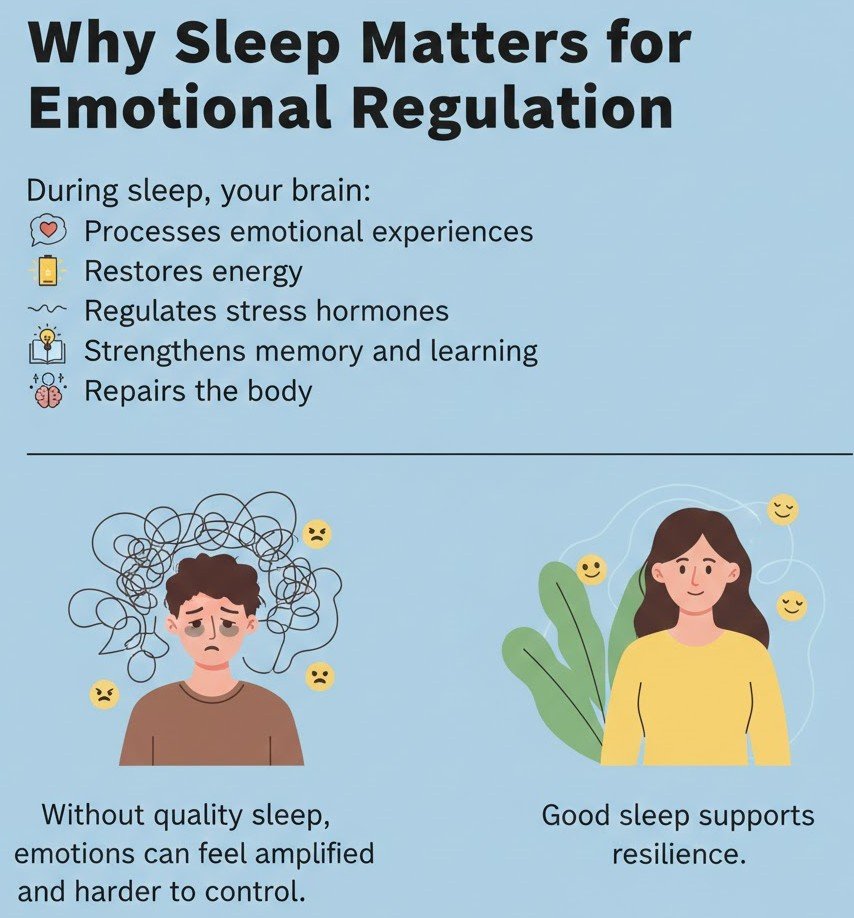
Why Sleep Matters for Emotional Regulation
During sleep, your brain:
- Restores energy
- Regulates stress hormones like cortisol
- Restores neural pathways for emotional stability
- Supports cognitive flexibility and decision-making
- Rebuilds emotional resilience
- Prepares you for the next day with a clearer mindset
- Repairs the body
Without quality sleep, emotions can feel amplified and harder to control.
Good sleep supports resilience.
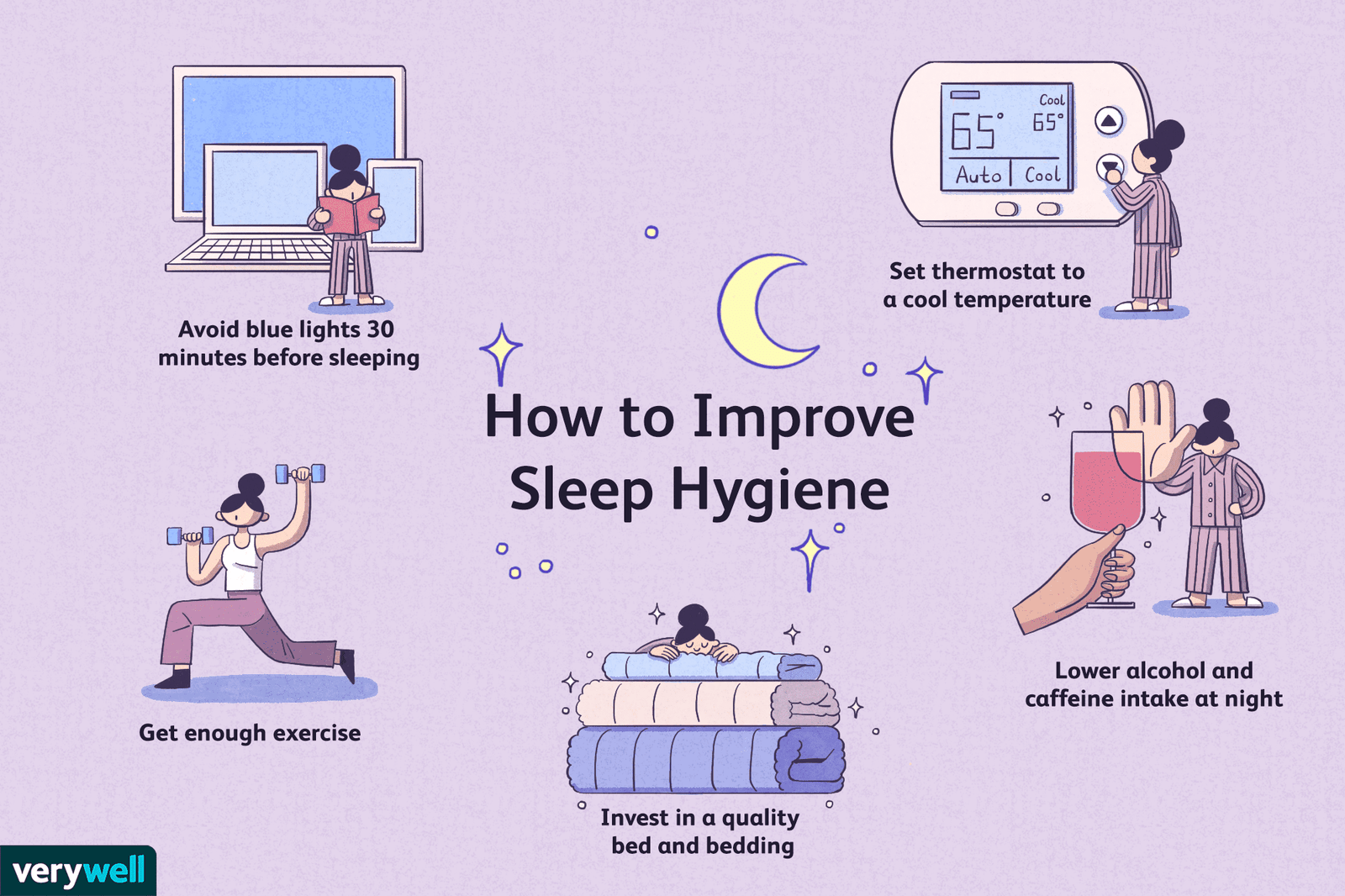
Practical Ways to Improve Sleep
- Create a Consistent Sleep Schedule
Going to bed and waking up at the same time every day helps regulate your body's internal clock. - Build a Calming Night Routine
Creating a relaxing bedtime ritual can signal to your brain that it's time to wind down. - Limit Screen Time Before Sleep
Blue light from screens can interfere with melatonin production. Try turning off devices at least an hour before bed. - Manage Daytime Stress
Stress during the day can carry over into nighttime sleep. Practice stress-reduction techniques like deep breathing or mindfulness. - Watch Caffeine and Late-Night Eating
Consuming caffeine or eating heavy meals close to bedtime can disrupt sleep. Try to avoid these in the hours before sleep.
When Sleep Problems Persist
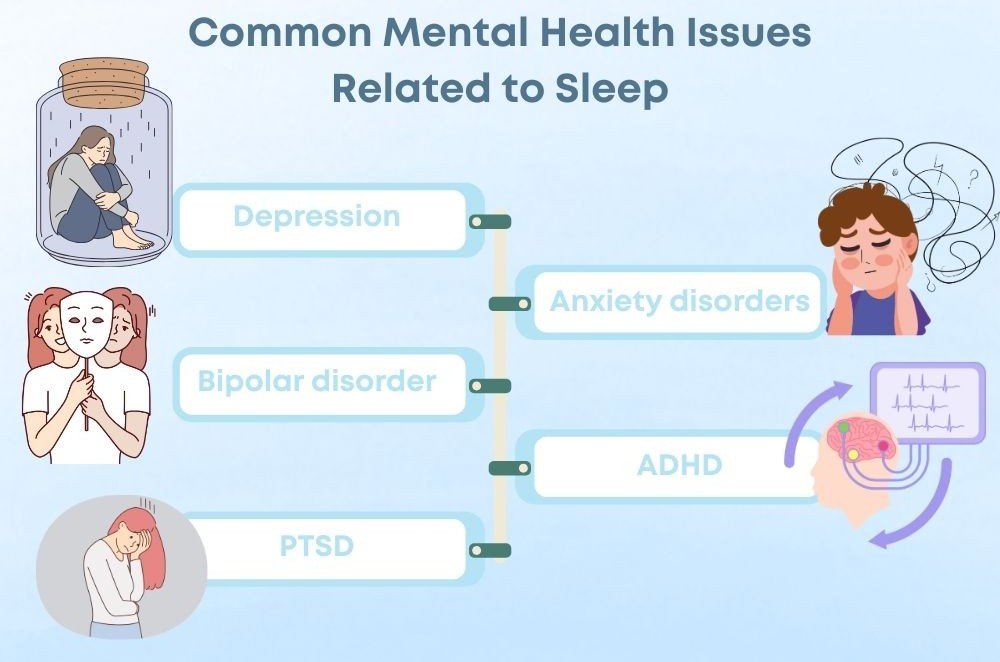
If sleep issues continue despite lifestyle changes, it may be connected to:
- Anxiety disorders
- Depression
- Trauma
- Chronic stress
Therapy can help you:
- Address racing thoughts
- Reduce nighttime anxiety
- Build relaxation skills
- Improve emotional regulation
Sometimes better sleep begins with emotional healing.
A Gentle Reminder
You deserve rest.
You deserve quiet.
You deserve a mind that feels calmer at night.
Improving sleep is not about perfection — it’s about small, consistent changes that support your well-being.
At Ameera Wellness, we understand that healthy sleep is foundational to mental health. With the right tools and support, restful nights — and brighter days — are possible.