Self-esteem is the way we perceive and value ourselves. It shapes how we speak to ourselves, the boundaries we set, the risks we take, and the relationships we choose.
When self-esteem is healthy, we can acknowledge our strengths while accepting our imperfections. When it is low, even small setbacks may feel overwhelming, and self-doubt can become constant background noise.
If you struggle with self-worth, please know:self-esteem is not fixed. It can be nurtured and rebuilt.

What is Self-Esteem?
Self-esteem refers to your overall sense of personal value and self-respect.
It influences:- Confidence in decision-making
- Confidence in decision-making
- Resilience after failure
- Openness to opportunities
- Quality of relationships
- Ability to set healthy boundaries
Healthy self-esteem does not mean arrogance or perfection. It means having a balanced and compassionate view of yourself.
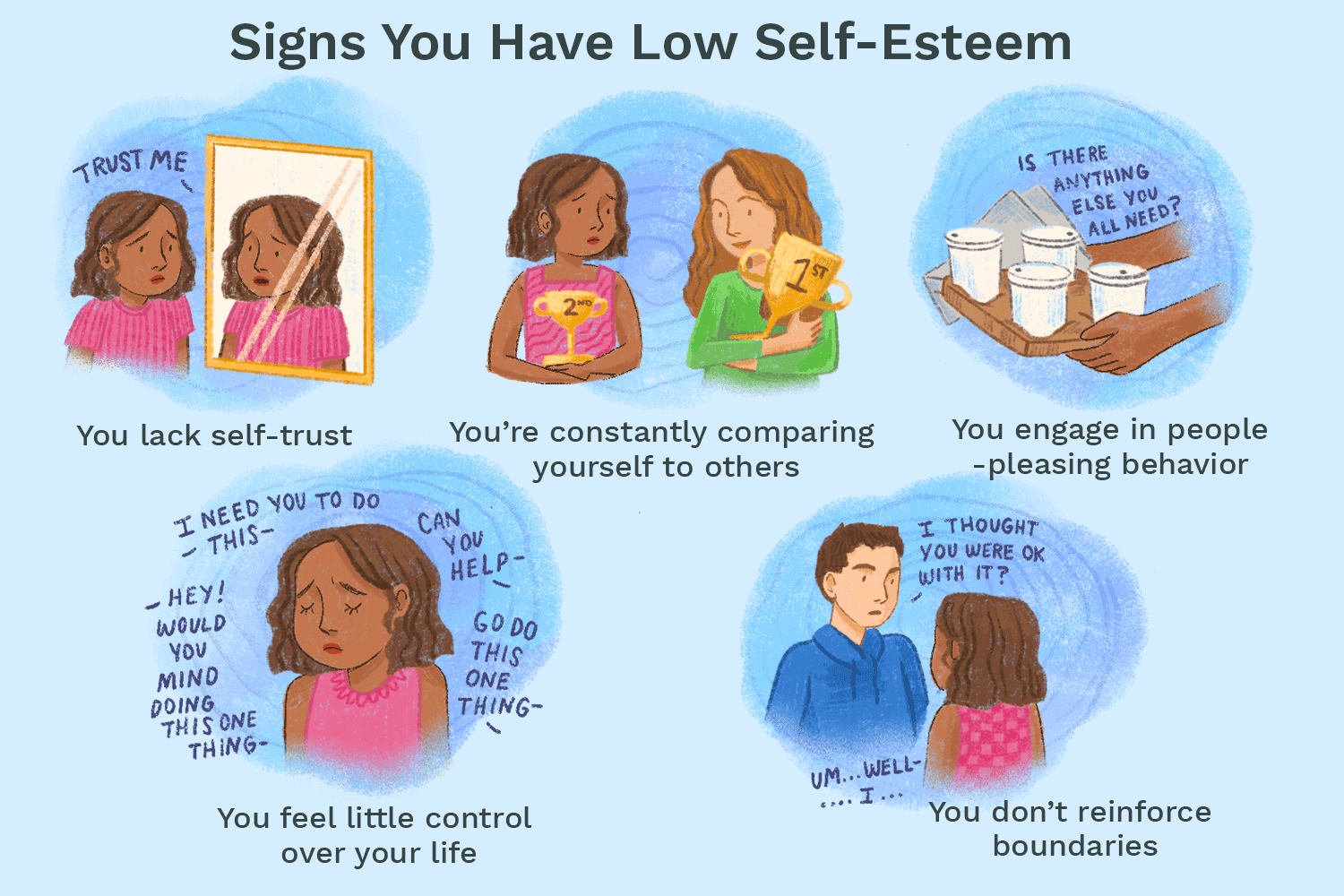
Signs of Low Self-Esteem
Low self-esteem may show up as:
- Constant self-criticism
- Comparing yourself to others
- Fear of rejection
- Difficulty accepting compliments
- Avoiding new challenges
- Over-apologizing
- People-pleasing behaviors
These patterns often develop gradually and may stem from early experiences, criticism, trauma, or repeated setbacks.
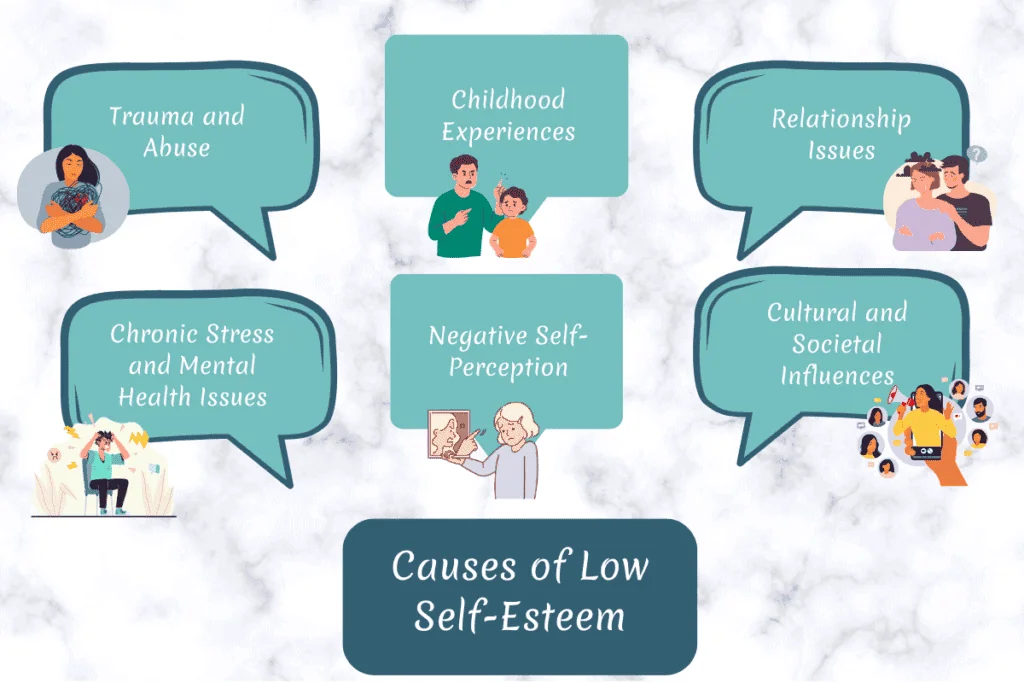
Where Does Low Self-Esteem Come From?
Where Does Low Self-Esteem Come From?
- Childhood experiences and parenting styles
- Academic or workplace pressure
- Bullying or rejection
- Social comparison
- Trauma or abuse
- Negative self-talk and internalized beliefs
- Cultural expectations
Over time, negative experiences can turn into internal beliefs like:
- “I’m not good enough.”
- “I always mess things up.”
- “I always mess things up.”
The good news? Beliefs can be challenged and reshaped.

How to Strengthen Self-Esteem
Rebuilding self-esteem is a process, not a quick fix. Here are gentle starting points:
- Notice Your Inner Dialogue
Pay attention to how you speak to yourself. Would you say those same words to someone you care about? Replace harsh criticism with realistic, compassionate thoughts. - Celebrate Small Wins
Progress doesn’t have to be dramatic. Small achievements count. Acknowledge effort, not just results. - Set Healthy Boundaries
Saying “no” when needed protects your energy and reinforces self-respect. - Reduce Comparisons
Social media and external standards often distort reality. Focus on your personal growth, not someone else’s timeline. - Engage in Activities That Build Mastery
Learning a skill, exercising, volunteering, or pursuing a hobby can reinforce a sense of capability.

The Role of Therapy in Building Self-Worth
Therapy can help you:
- Identify limiting beliefs
- Process past experiences that shaped your self-image
- Develop healthier thinking patterns
- Practice assertiveness
- Strengthen emotional resilience
- Receive validation and support
- Explore your identity and values
- Rebuild a compassionate relationship with yourself
- Feel truly heard and supported
A supportive space allows you to explore your identity without judgment.

A Gentle Reminder
Your worth is not defined by productivity, appearance, achievements, or other people’s opinions.
You are valuable because you exist.
Self-esteem grows when we treat ourselves with patience, compassion, and honesty. Healing may take time — and that’s okay.
At Ameera Wellness, we believe every individual deserves to feel confident, respected, and emotionally safe within themselves.