A panic attack can feel overwhelming and frightening. Your heart races. Your chest tightens. Your thoughts spiral. It may feel like something is seriously wrong — even life-threatening.
But while panic attacks feel intense, they are not dangerous. They are your body’s alarm system misfiring.
Understanding what’s happening — and knowing how to respond — can make a powerful difference
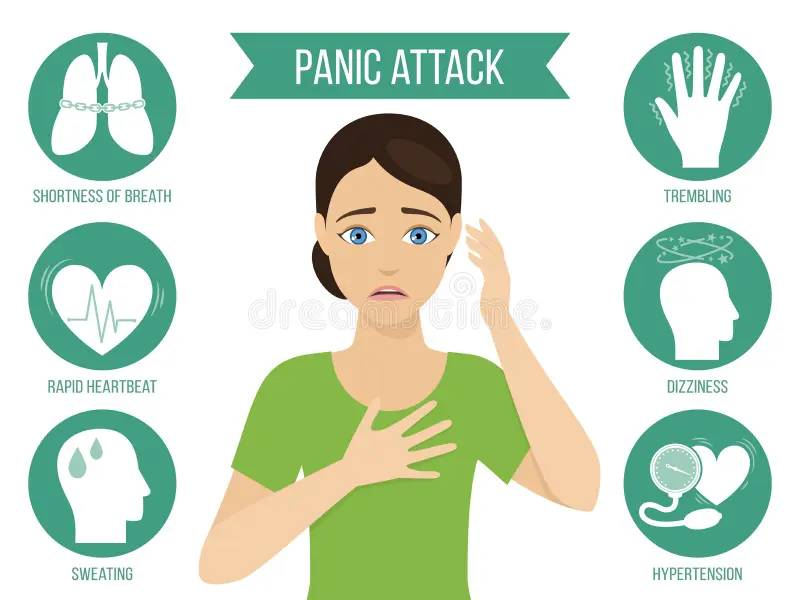
What Is a Panic Attack?
A panic attack is a sudden surge of intense fear or discomfort that peaks within minutes. It can happen unexpectedly or in response to a specific trigger.
Common symptoms include:
- Rapid heartbeat
- Chest tightness
- Shortness of breath
- Dizziness or lightheadedness
- Sweating or trembling
The symptoms are very real — but they are caused by an overactivation of the nervous system, not actual danger.
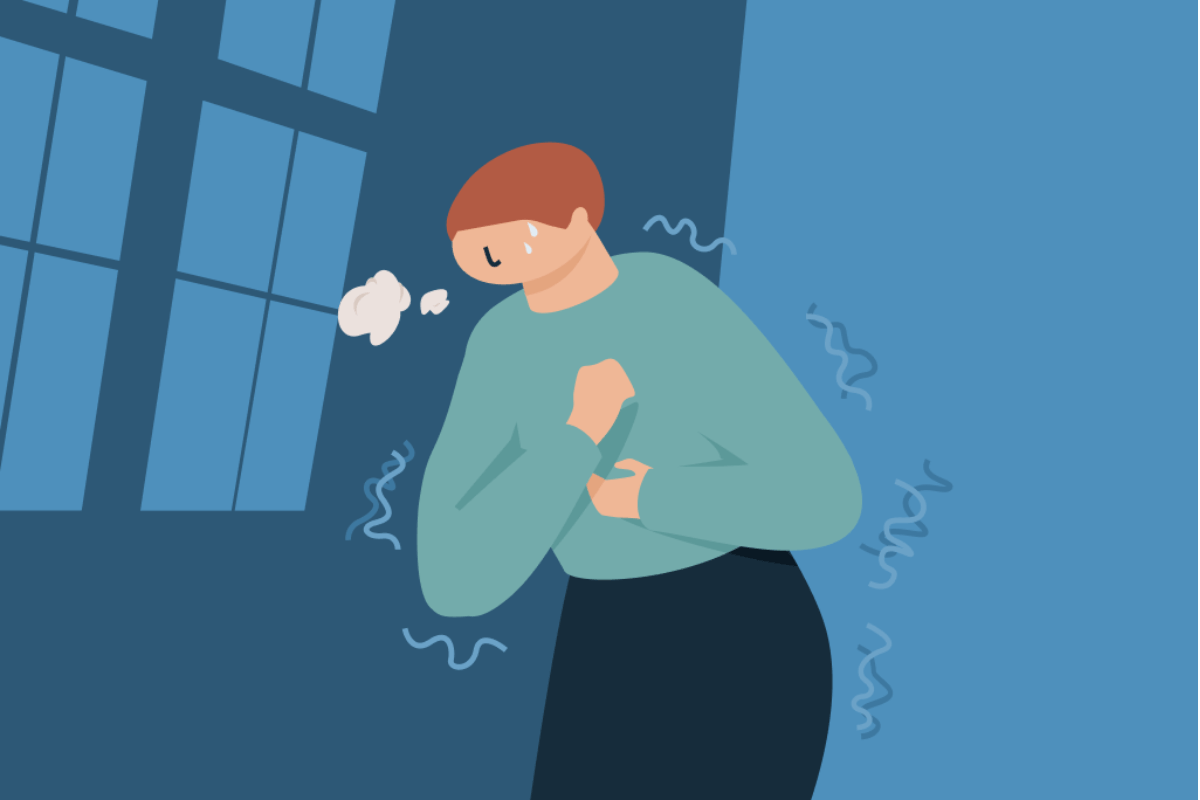
Why Panic Attacks Happen
Your body is designed to protect you. When it senses danger, it activates the “fight-or-flight” response.
During a panic attack:
- Adrenaline increases
- Heart rate rises
- Breathing becomes shallow
- Muscles tense
The challenge is that this response can activate even when no real threat is present.
Stress, unresolved trauma, lack of sleep, caffeine, and ongoing anxiety can all make panic attacks more likely.
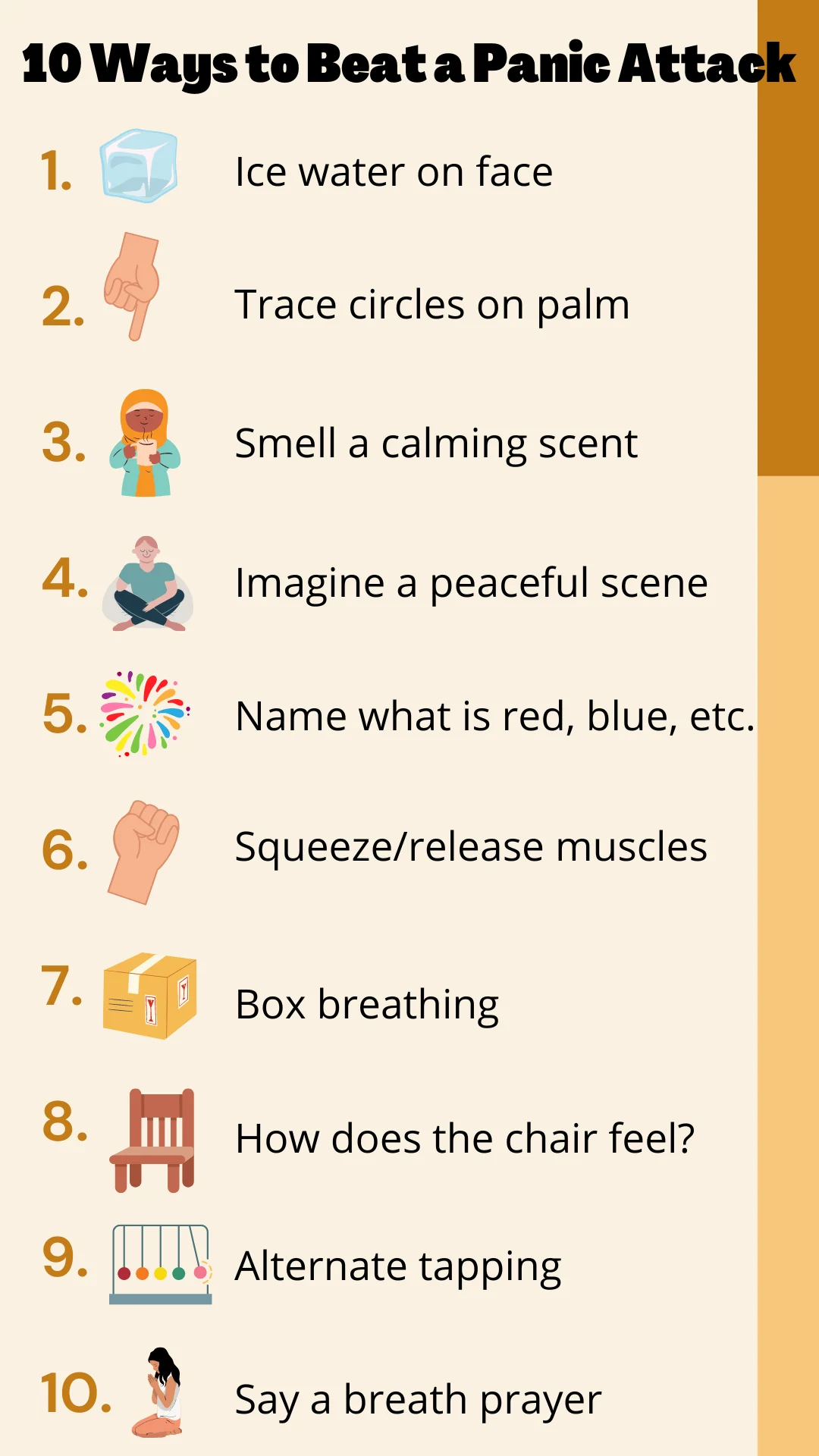
What To Do During a Panic Attack
While you cannot instantly “stop” a panic attack, you can reduce its intensity.
- Practice Deep Breathing
Slow, controlled breathing can help calm your nervous system. Try the 4-7-8 technique: inhale for 4 seconds, hold for 7, exhale for 8. - Ground Yourself
Use the "5-4-3-2-1" method: name 5 things you see, 4 things you hear, 3 things you feel, 2 things you smell, and 1 thing you taste. - Use Positive Self-Talk
Remind yourself that panic attacks are temporary and not dangerous. Say phrases like “I am safe,” “This will pass,” or “I can handle this.” - Engage in a Calming Activity
Listen to soothing music, do gentle stretching, or focus on a calming visual like a peaceful scene. - Avoid Avoidance
If possible, stay in the situation that triggered the panic attack. Avoiding it may reinforce fear and make future attacks more likely. - Seek Support
If panic attacks are frequent or interfere with daily life, consider talking to a mental health professional who can offer therapy or medication options.
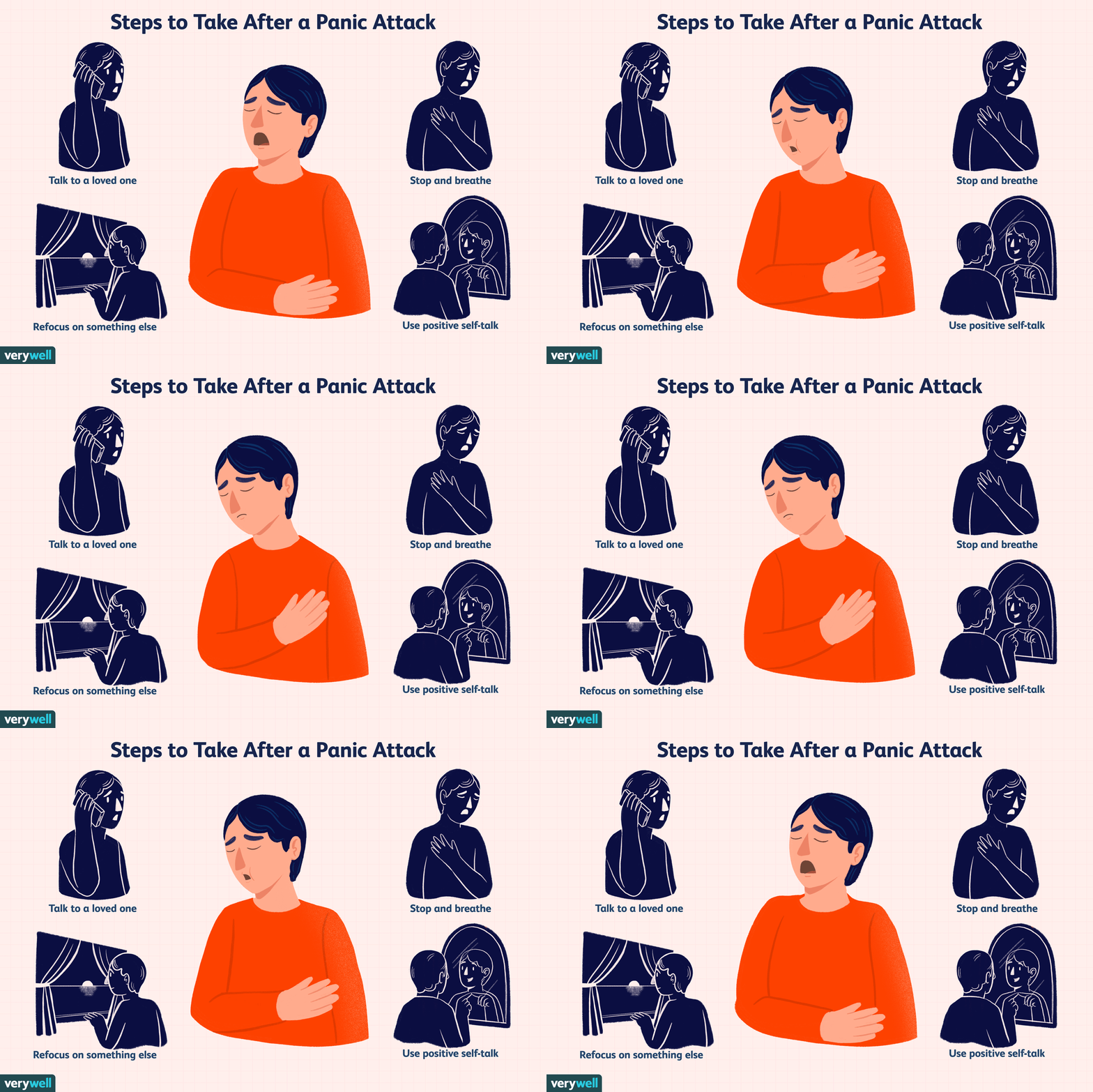
After the Panic Attack
Many people feel drained afterward. Be gentle with yourself.
- Talk to a loved one
- Stop and breathe
- Refocus on something else
- Use positive self-talk
Panic attacks are not a sign of weakness. They are signals that your nervous system may be overwhelmed.
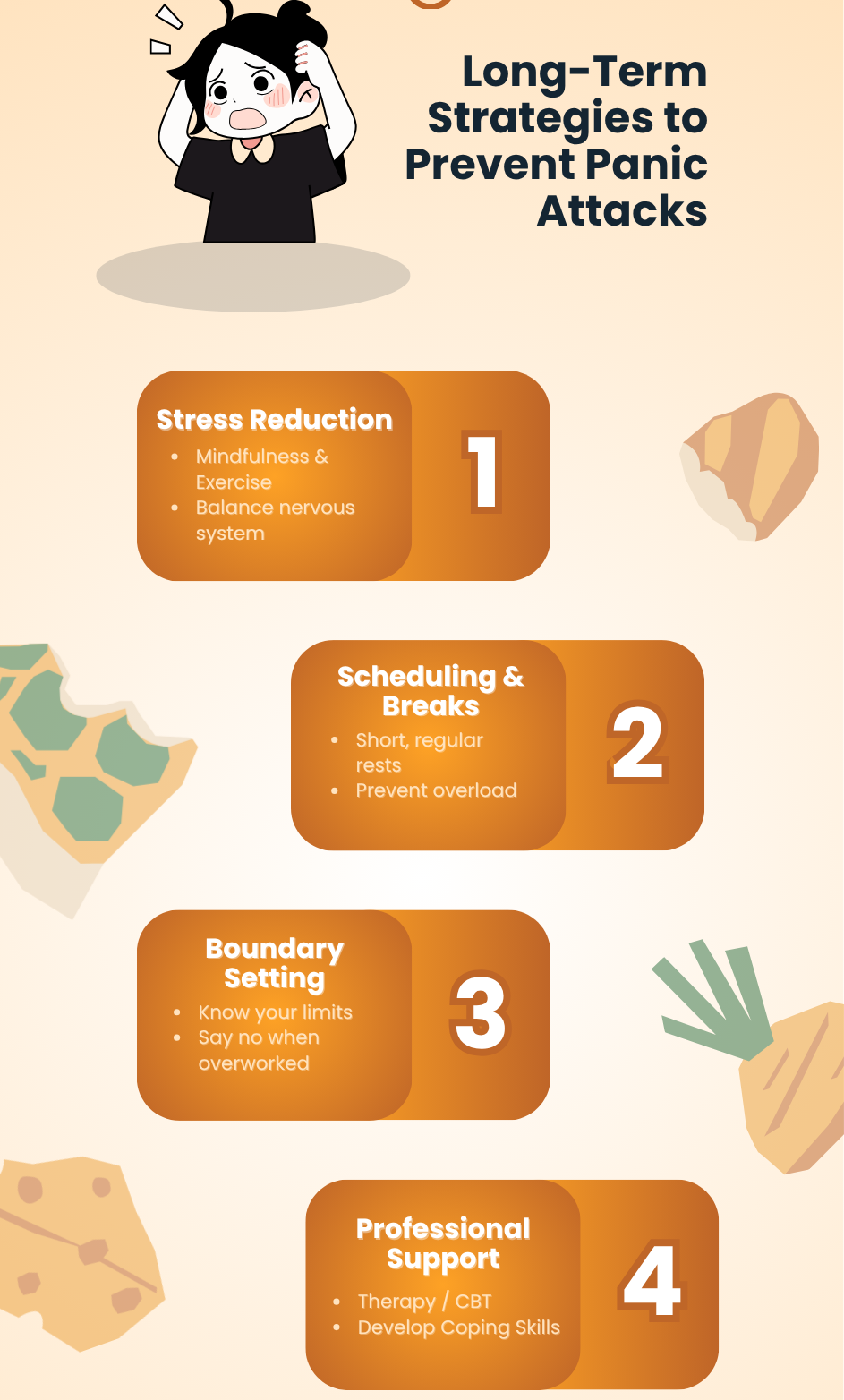
Long-Term Coping Strategies
Learning anxiety management tools
- Learning anxiety management tools
- Reducing caffeine intake
- Practicing regular relaxation exercises
- Improving sleep routines
- Exploring Therapy
Therapy can help you:
- Understand triggers
- Reduce fear of future attacks
- Break the panic cycle
- Build emotional resilience
The fear of having another panic attack often fuels more anxiety. Support can help interrupt that cycle.
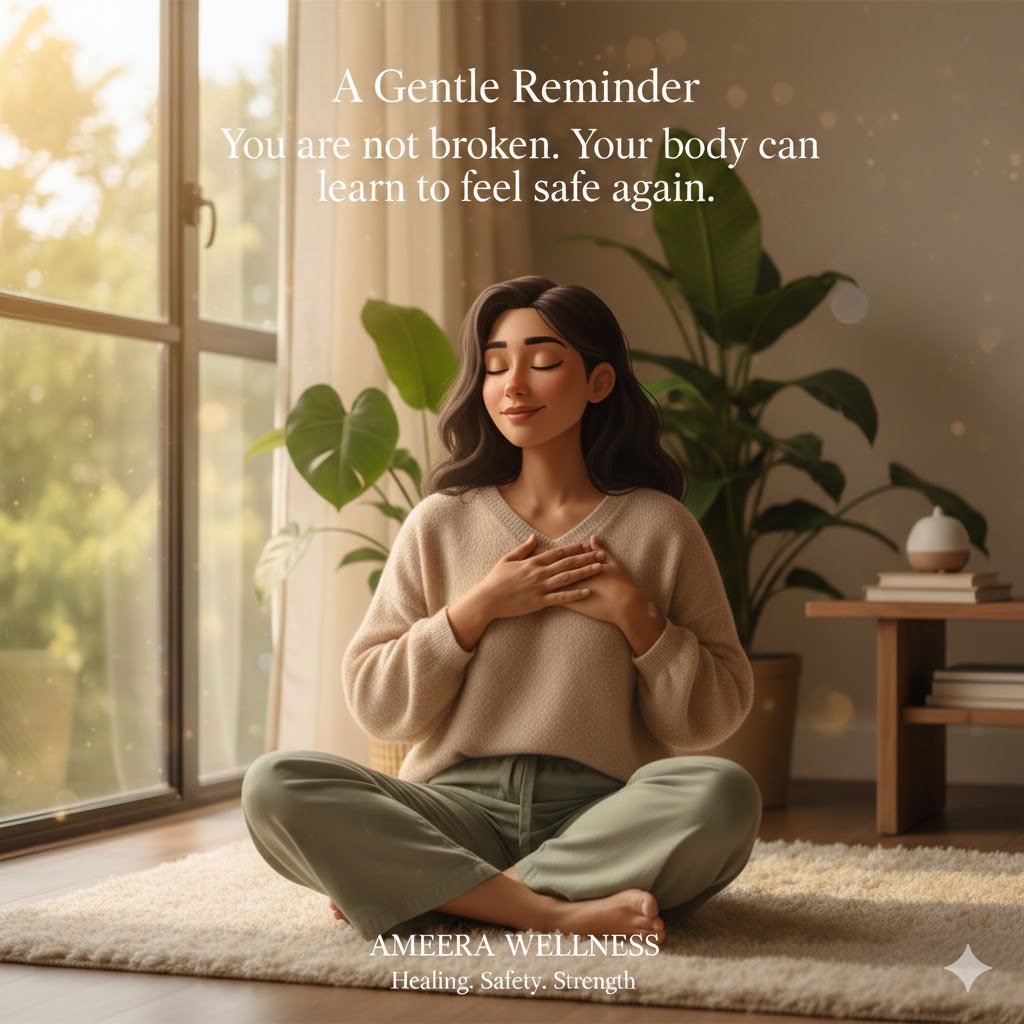
A Gentle Reminder
You are not “losing control.”
You are not broken.
Your body is reacting — and it can learn to feel safe again.
With the right tools and support, panic attacks can become less frequent and less intense.
At Ameera Wellness, we create a safe, compassionate space to help you regain control, calm your nervous system, and move forward with confidence.