Your mind replays conversations.
It predicts worst-case scenarios.
It analyzes every decision again and again.
Overthinking can feel productive — like you’re solving a problem. But often, it only increases anxiety, drains energy, and steals peace.
The good news? A racing mind can learn to slow down.
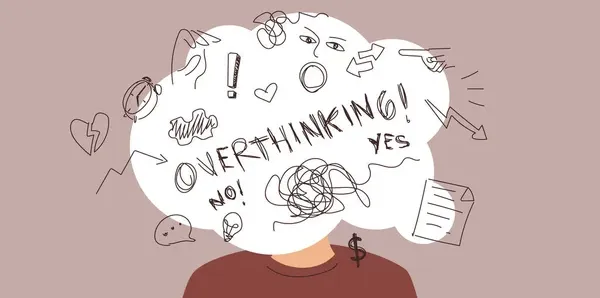
What Is Overthinking?
Overthinking is the tendency to ruminate on thoughts, replay conversations, and analyze every decision endlessly. It often involves:
- Replaying past conversations
- Anticipating worst-case outcomes
- Over-analyzing decisions and their consequences
While overthinking may seem like a way to solve problems, it often leads to increased stress, anxiety, and mental fatigue.
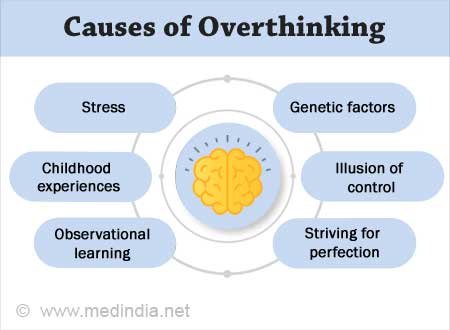
Why Do We Overthink?
Overthinking is usually rooted in a desire for control.
Your brain believes:
“If I think about it enough, I can prevent something bad from happening.”
It can also be linked to:
- Anxiety
- Fear of failure
- Perfectionism
- Fear of judgment
- Low self-confidence
- Past emotional hurt
- High personal expectations
But instead of protecting you, overthinking often fuels more anxiety.
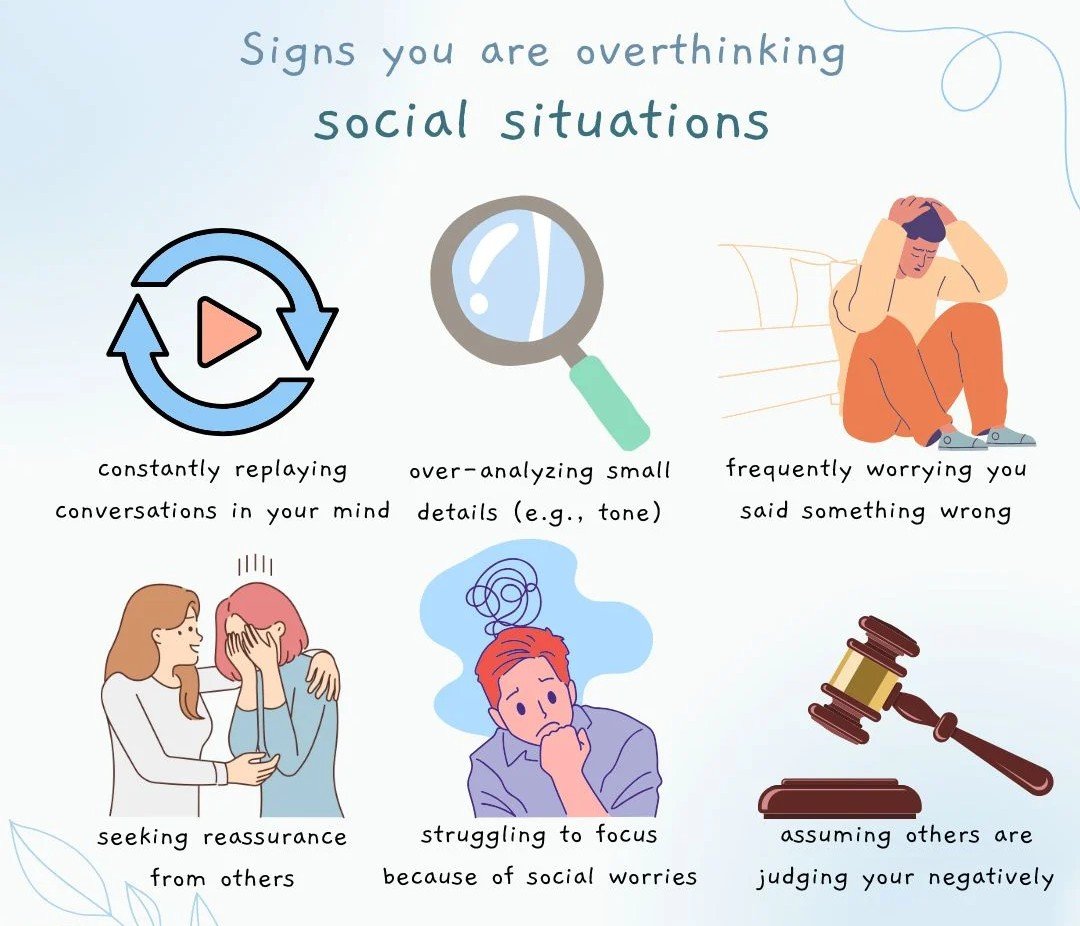
Signs You May Be Overthinking
You might notice:
- Difficulty making decisions
- Replaying conversations repeatedly
- Trouble sleeping due to racing thoughts
- Mental exhaustion
- Seeking constant reassurance
- Imagining worst-case outcomes
Overthinking doesn’t just affect your mind — it impacts your body too. You may feel tense, restless, or fatigued.
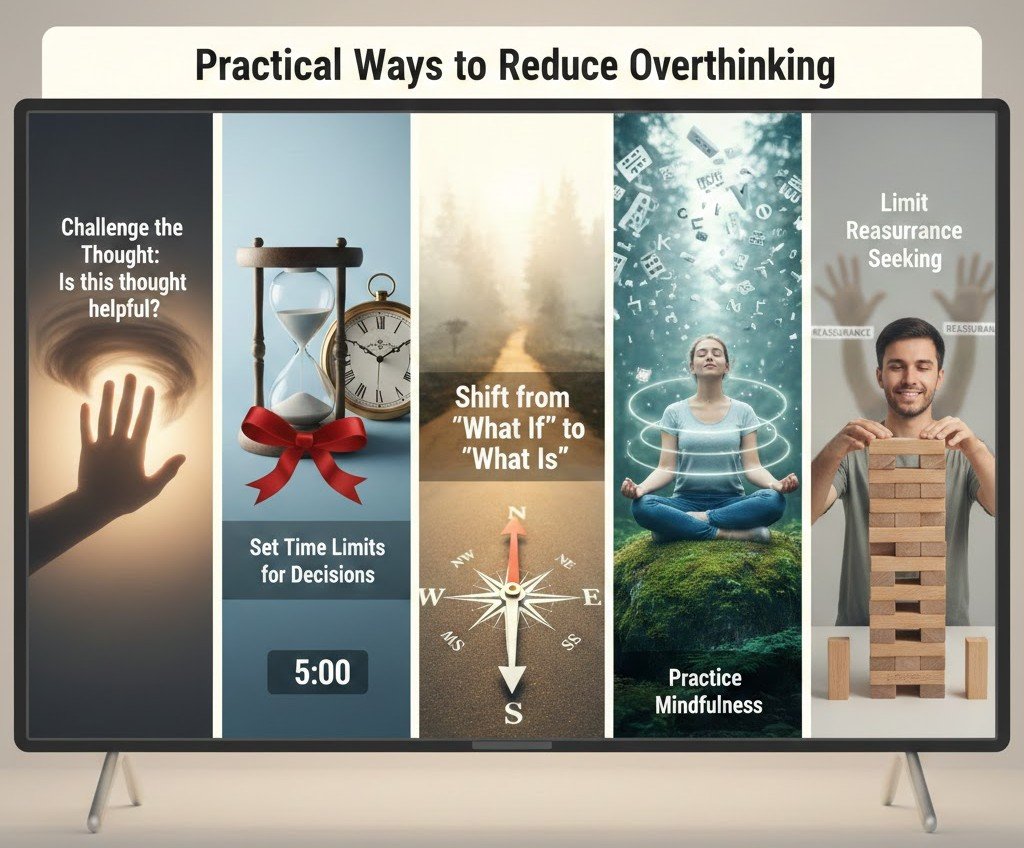
Practical Ways to Reduce Overthinking
- Challenge the Thought
Is this thought helpful?Creating distance from the thought reduces its intensity.
- Set Time Limits for Decisions
Give yourself a specific time limit to make decisions. This prevents endless deliberation and helps you move forward. - Shift from “What If” to “What Is”
Focus on what is actually happening rather than imagining hypothetical scenarios. This helps ground you in reality and reduces anxiety. - Practice Mindfulness
Practice being present in the moment. Mindfulness helps you stay grounded and reduces mental chatter. - Limit Reassurance Seeking
Instead of constantly seeking reassurance from others, try to build internal confidence and self-trust.

When Overthinking Feels Uncontrollable
If overthinking is affecting your sleep, relationships, work, or emotional well-being, professional support can help.
Therapy can assist you in:
- Identifying cognitive distortions
- Building healthier thought patterns
- Strengthening self-trust
- Reducing anxiety
- Improving emotional resilience
Overthinking is not a personality flaw — it’s a learned mental habit. And habits can change.

A Gentle Reminder
Your thoughts are powerful — but they are not always accurate.
You are allowed to:
- Make imperfect decisions
- Let go of what you cannot control
- Trust yourself
- Live in the present moment
Peace does not come from thinking more.
It comes from thinking differently.
At Ameera Wellness, we support individuals in breaking free from mental overdrive and building a calmer, more balanced inner world.