Saying “no” can feel uncomfortable.
You might worry about disappointing others.
You may fear being seen as selfish.
But healthy boundaries are not acts of rejection — they are acts of self-respect.
But healthy boundaries are not acts of rejection — they are acts of self-respect.

What Are Healthy Boundaries?
Boundaries are the limits you set to protect your time, energy, emotions, and values. They define what is acceptable and what is not in your relationships and daily life.
They help you:
- Feel respected and valued
- Set clear expectations for others
- Protect your time and energy
- Openness to opportunities
- Quality of relationships
- Communicate your needs clearly
Without boundaries, resentment often grows silently
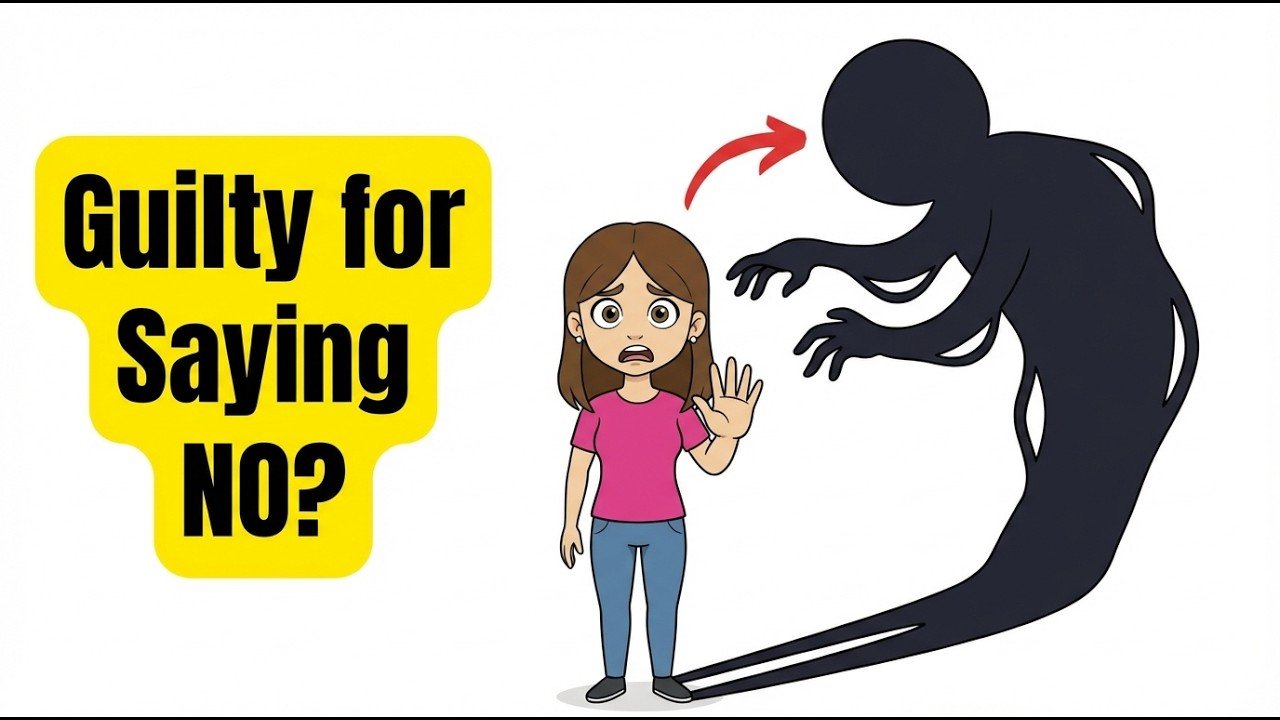
Why Do We Feel Guilty Setting Boundaries?
Guilt around boundaries often comes from:
- Fear of conflict
- Desire to be liked
- People-pleasing tendencies
- Cultural or family expectations
- Belief that your needs are less important
If you were taught that prioritizing yourself is selfish, setting boundaries can feel wrong — even when it’s necessary.
But protecting your well-being is not selfish. It is responsible.
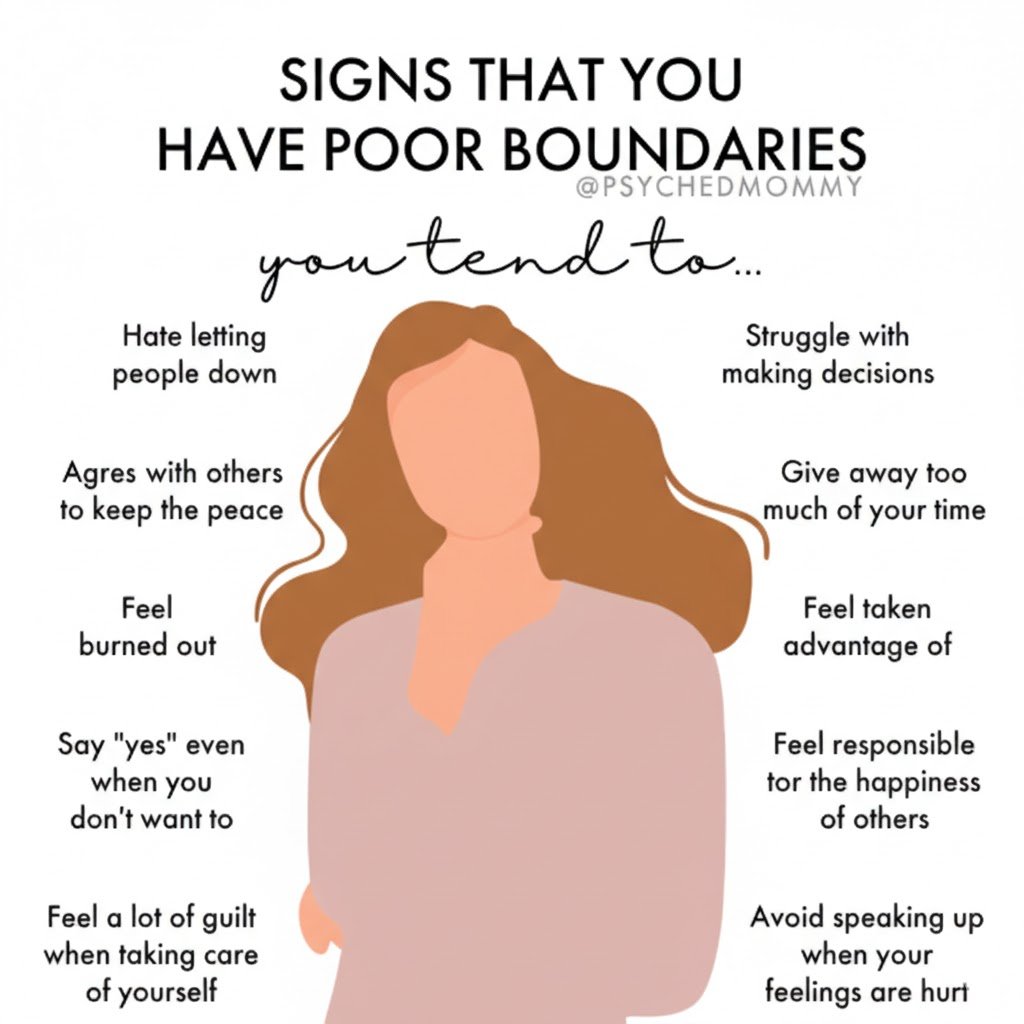
Signs You May Need Stronger Boundaries
You might struggle with boundaries if you:
- Frequently feel overwhelmed
- Say yes when you want to say no
- Feel resentful toward others
- Avoid difficult conversations
- Feel responsible for others’ emotions
- Struggle to make time for yourself
- Cultural expectations
Boundaries are not walls — they are guidelines for healthy interaction.
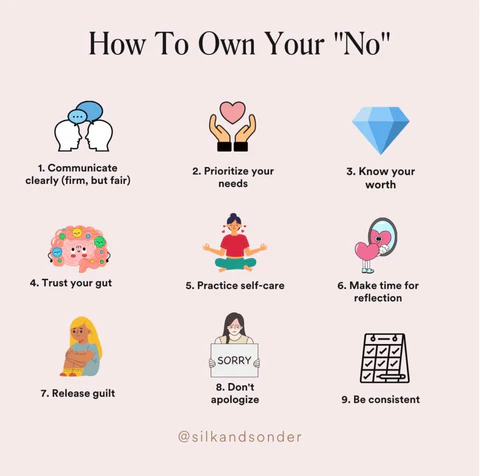
How to Set Boundaries Without Guilt
- Recognize That Your Needs Matter
Your time, energy, and emotions are valuable. You do not need permission to protect them. - Communicate Clearly and Calmly
You don’t need long explanations.You don’t need long explanations.
Instead of: “I’m so sorry, I really wish I could, but…”
Clear is kind.
- Accept That Discomfort Is Temporary
Setting boundaries may feel uncomfortable at first — especially if others are not used to them. Discomfort does not mean you are doing something wrong.Growth often feels unfamiliar before it feels natural.
- Release Responsibility for Others’ Reactions
You are responsible for communicating respectfully.You are responsible for communicating respectfully.
Healthy people will adjust. Unhealthy patterns may resist.
- Practice Consistency
Boundaries require reinforcement. If you set a limit but repeatedly override it, confusion follows.
Consistency builds respect — both from others and within yourself.

When Boundaries Feel Especially Hard
If you grew up in environments where:
- Your needs were dismissed
- Conflict was unsafe
- You had to take care of others emotionally
Setting boundaries can trigger anxiety or fear.
Therapy can help you:
- Understand your patterns
- Build assertiveness skills
- Reduce guilt
- Strengthen confidence
- Create healthier relationship dynamics
Boundaries are a skill — and skills can be learned.

A Gentle Reminder
You are allowed to:
- Say no
- Change your mind
- Take space
- Protect your energy
- Prioritize your well-being
Boundaries do not push people away. They create relationships based on respect, not obligation.
At Ameera Wellness, we support individuals in building confident, healthy boundaries that protect their peace without carrying unnecessary guilt.