Depression is more than just feeling sad. It’s a deep emotional experience that can affect how you think, feel, and function in daily life. For many people, it can feel heavy, isolating, and confusing — especially when others can’t see what you’re carrying inside.
If you’ve been struggling, please know this: your feelings are valid, and you are not alone.
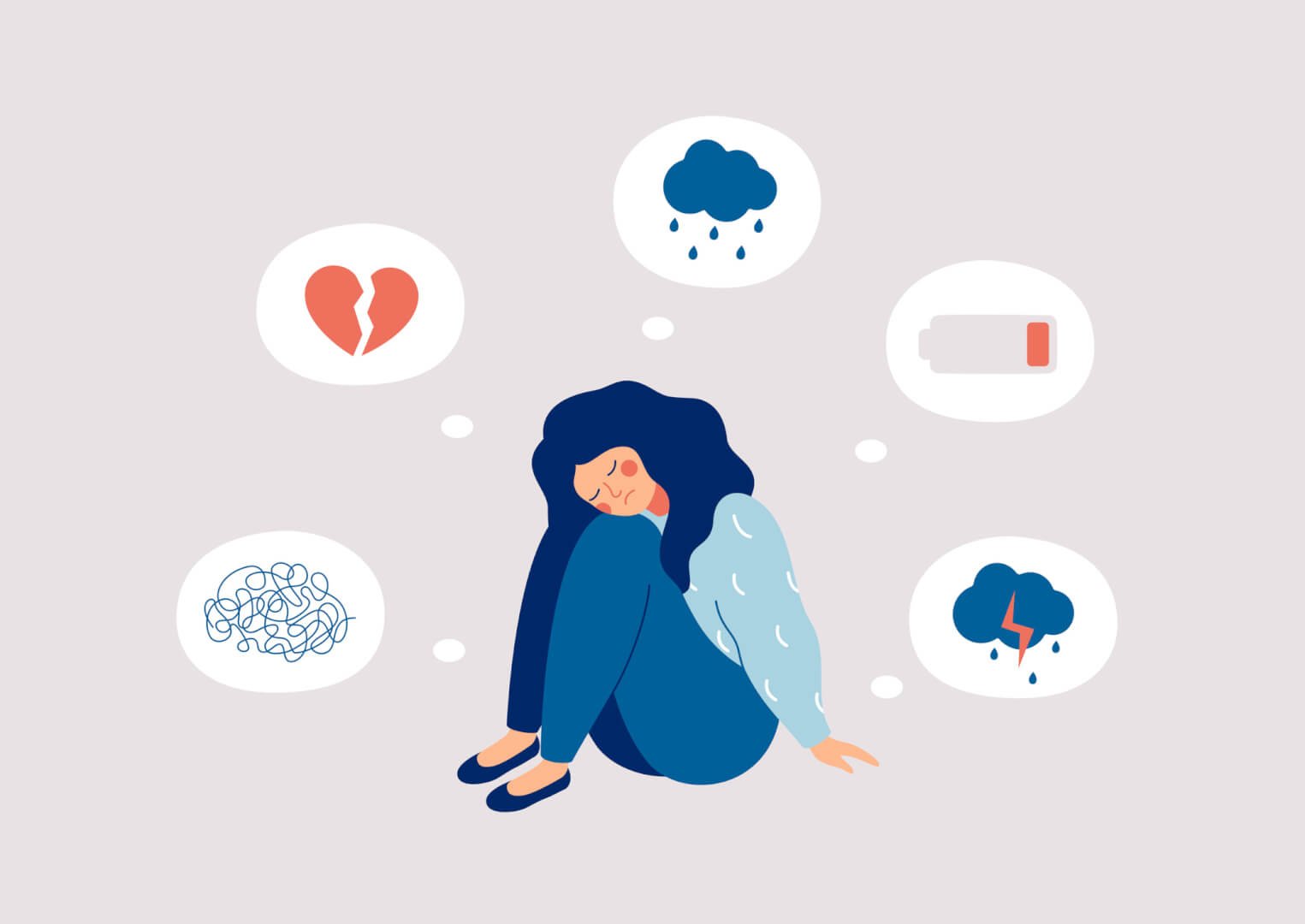
What is Depression?
Depression is a mental health condition that impacts mood, energy levels, motivation, sleep, appetite, and overall well-being. It can show up in different ways for different people.
Occasional worry is normal. Constant fear, racing thoughts, and physical discomfort are not.
Some common experiences include:
- Persistent sadness or emptiness
- Loss of interest in activities once enjoyed
- Changes in sleep patterns (insomnia or oversleeping)
- Changes in appetite or weight
- Fatigue or loss of energy
- Feelings of worthlessness or guilt
It’s important to understand that depression is not a weakness or a personal failure. It is a real health condition that deserves compassion and care.
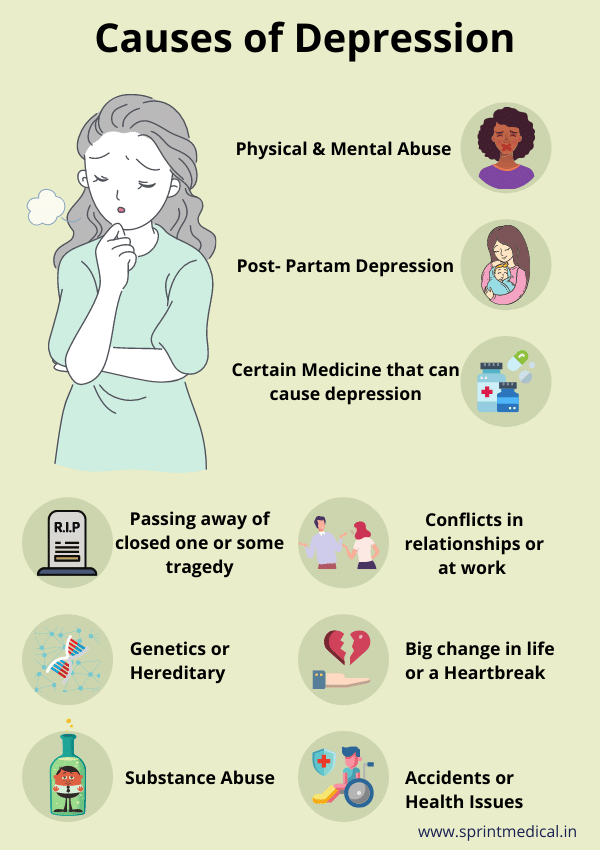
Why Does Depression Happen?
There isn’t one single cause. Depression can develop due to:
- Prolonged stress
- Trauma or difficult life events
- Major life changes
- Loneliness or isolation
- Biological and genetic factors
- Imbalances in brain chemistry
- Chronic illness or pain
- Substance use
- Family history of depression
- Personality traits such as low self-esteem or high sensitivity
Sometimes, it may even appear without a clear reason. That can make it even more frustrating — but it does not make your experience any less real.
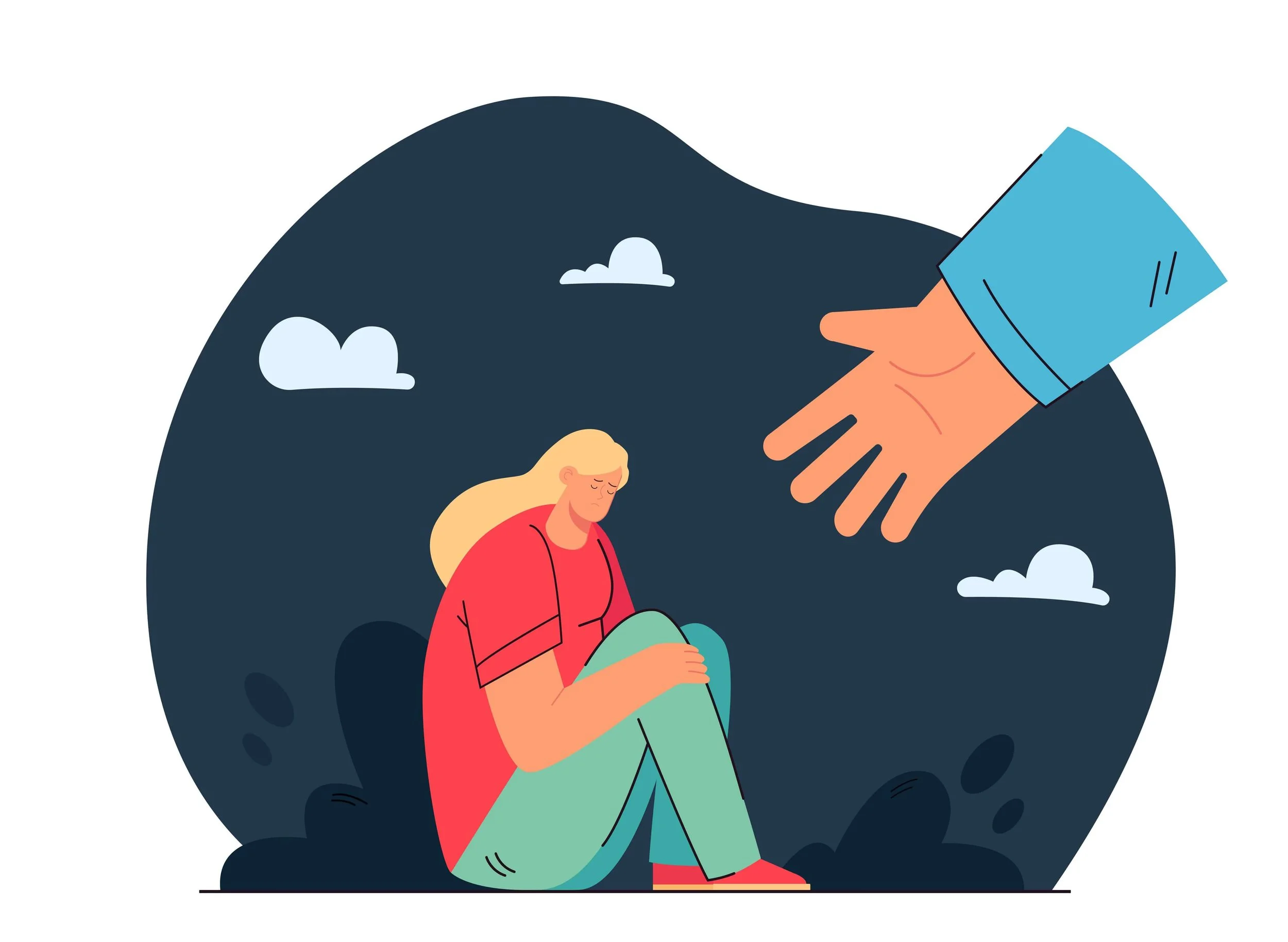
Signs It May Be Time to Seek Support
If your feelings:
- Last more than two weeks
- Interfere with work, school, or relationships
- Feel overwhelming or hard to manage alone
It may be helpful to talk to a mental health professional.
Seeking help is not a sign of weakness. It’s a courageous step toward healing.
Gentle Ways to Support Yourself
While professional support is important, small daily practices can also help:
- Establish a simple routine
- Get sunlight and gentle movement
- Stay connected with someone you trust
- Practice self-compassion
- Limit negative self-talk
- Engage in activities that bring even small moments of joy
- Focus on one step at a time
Healing doesn’t happen overnight. Progress may feel slow — and that’s okay.

The Power of Therapy
Therapy provides a safe space where you can:
- Express your thoughts without judgment
- Understand patterns and triggers
- Learn coping strategies
- Rebuild self-worth
- Feel truly heard and supported
Connection is often the beginning of healing.
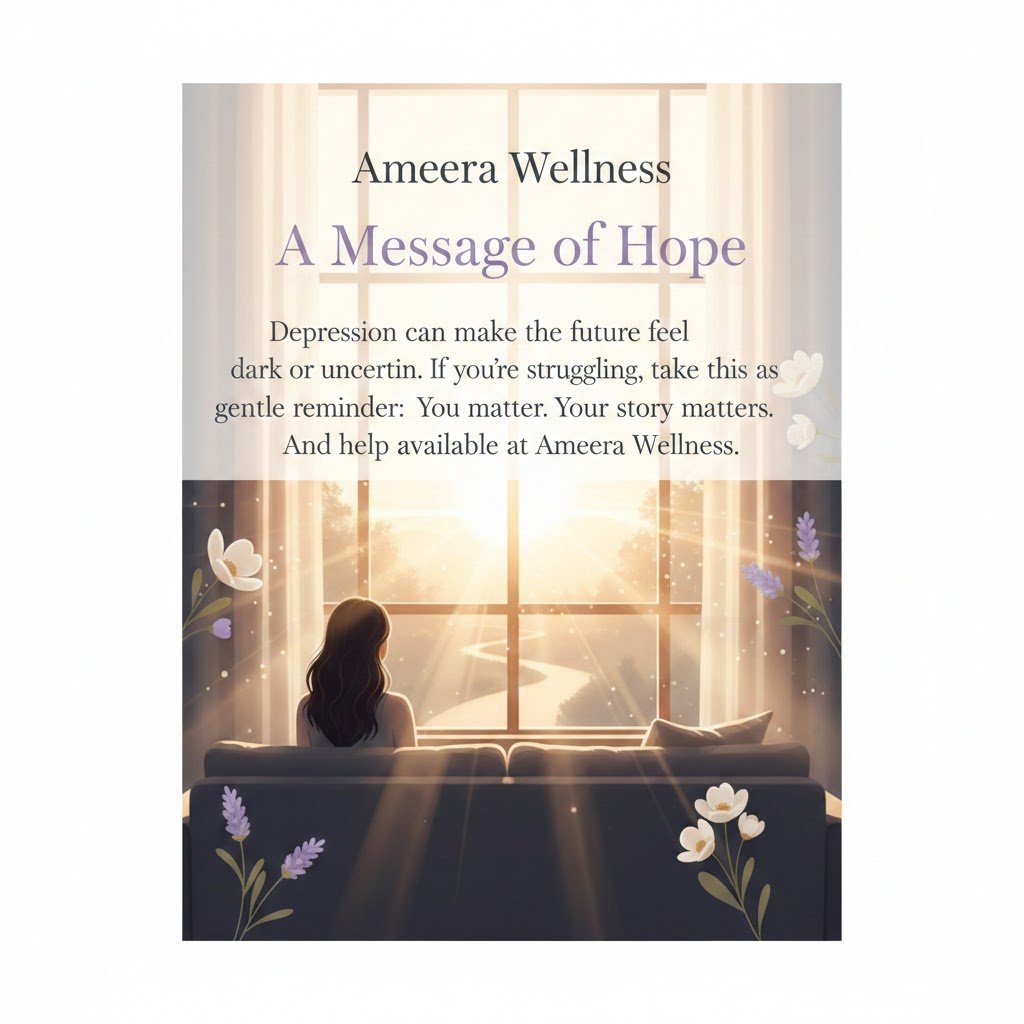
A Message of Hope
Depression can make the future feel dark or uncertain. But feelings are not permanent — even when they feel overwhelming.
With the right support, understanding, and care, recovery is possible. Many people who once felt lost have found light again.
If you’re struggling right now, take this as a gentle reminder:
You matter.
Your story matters.
And help is available.