There are times when a weekend off doesn’t help.
When sleep doesn’t feel restorative.
When even small tasks feel heavy.
That’s not laziness. That’s not weakness.
That may be burnout.
In a culture that glorifies productivity, burnout is becoming increasingly common — yet often misunderstood. And sometimes, rest alone isn’t enough to recover.
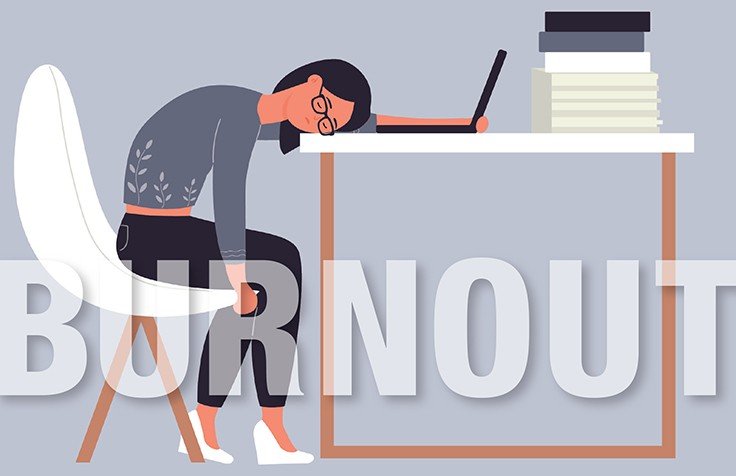
What Is Burnout?
Burnout is a state of emotional, mental, and physical exhaustion caused by prolonged and unmanaged stress. It often develops gradually, making it difficult to recognize at first.
While stress feels like “too much,” burnout often feels like “nothing left.”
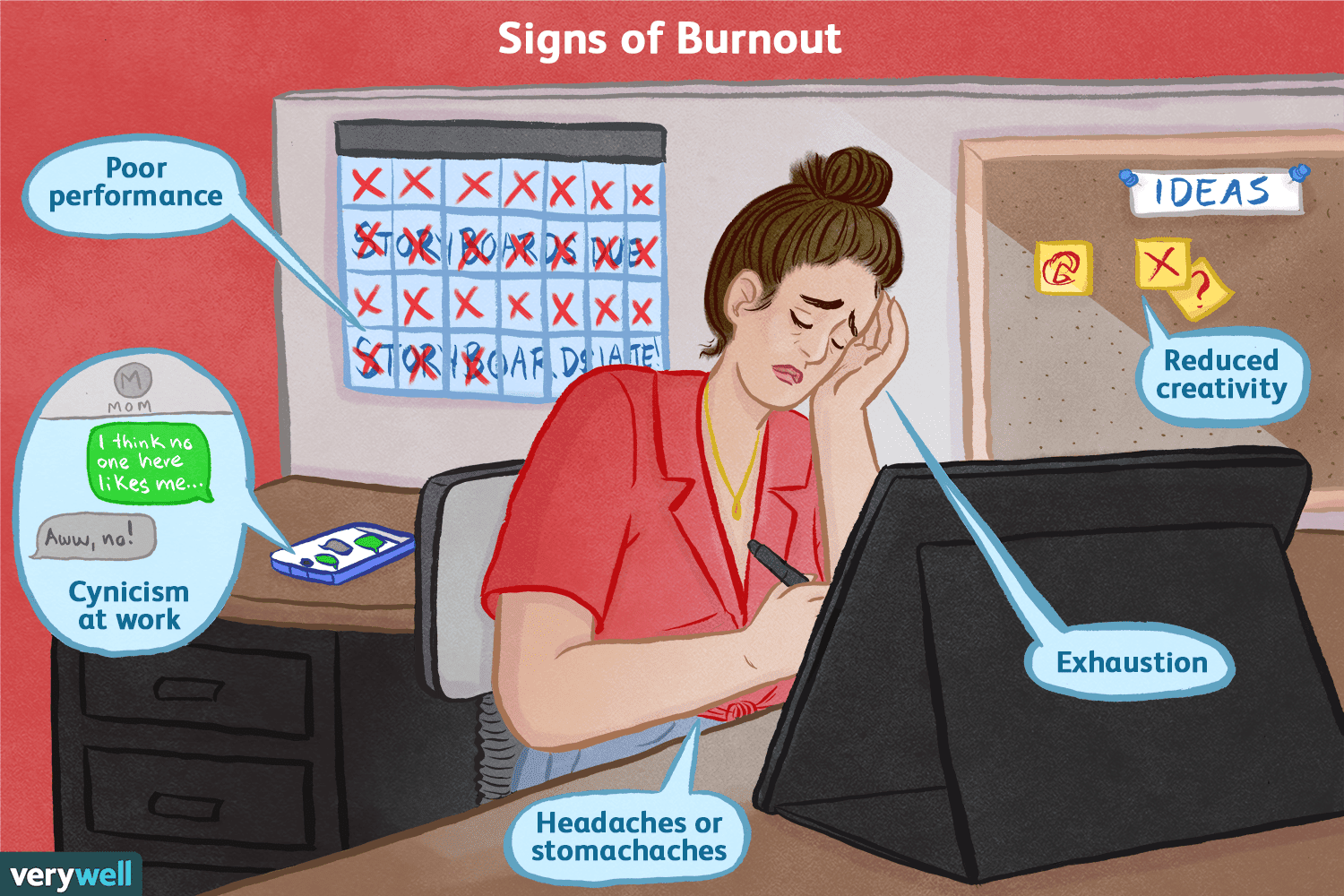
Signs You May Be Experiencing Burnout
Burnout doesn’t always look dramatic. It can appear as:
- Constant exhaustion, even after rest
- Loss of motivation or enthusiasm
- Feeling detached or emotionally numb
- Irritability or cynicism
- Decreased productivity
- Difficulty concentrating
- Increased self-doubt
You may feel like you’re running on empty — but still expected to keep going.

Why Rest Alone May Not Fix Burnout
Rest is essential — but burnout is often deeper than fatigue.
Burnout can stem from:
- Childhood experiences and parenting stylesChronic workplace pressure
- Lack of boundaries
- Perfectionism
- Emotional labor
- Feeling undervalued or unsupported
- Misalignment between your values and your daily demands
If the environment or patterns causing stress remain unchanged, rest becomes temporary relief rather than true recovery.
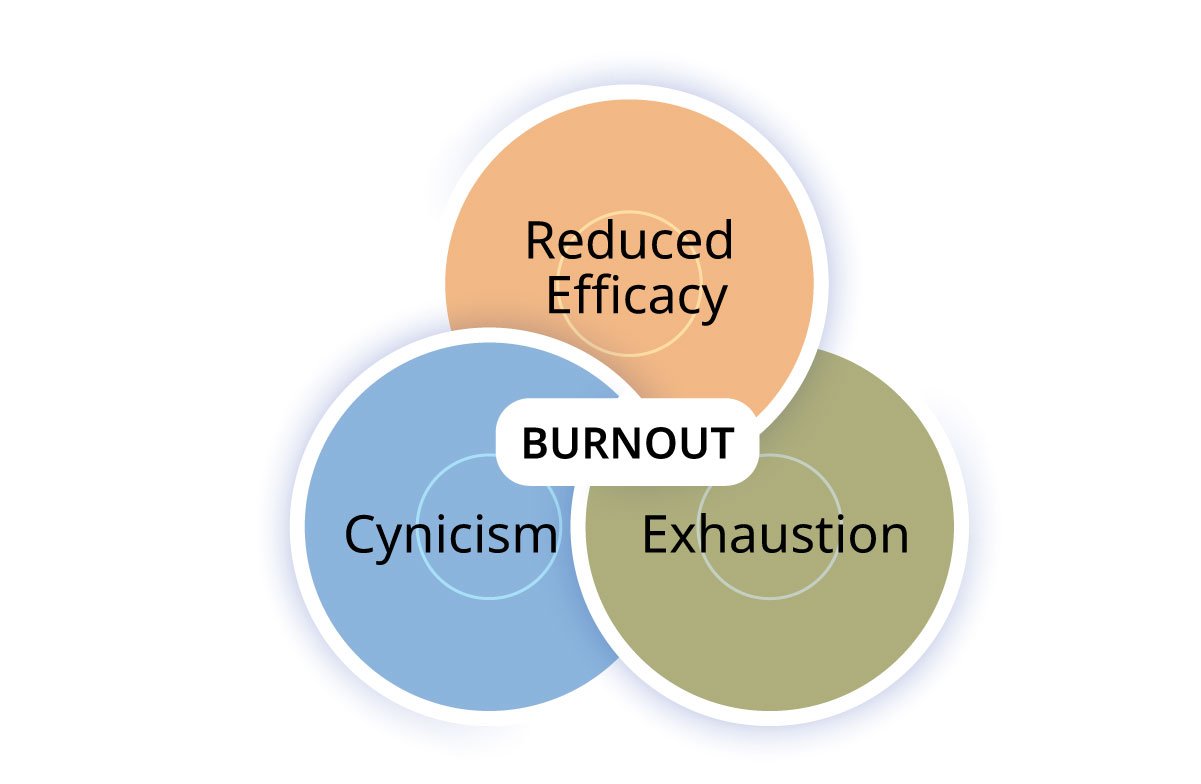
The Three Core Dimensions of Burnout
Psychologists often describe burnout in three layers:
- Exhaustion
Physical and emotional depletion. - Cynicism or Detachment
Feeling disconnected from work, responsibilities, or even relationships. - Reduced Sense of Accomplishment
Feeling ineffective or questioning your abilities.
Recognizing these layers can help you understand what needs attention.
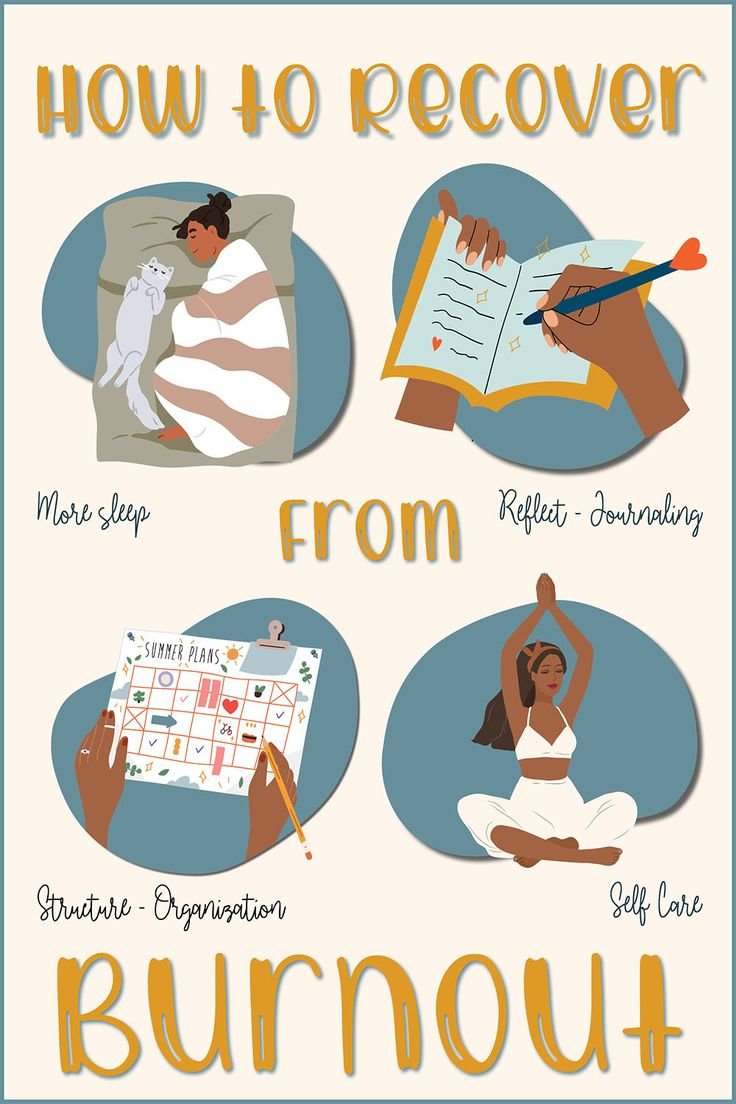
How to Recover from Burnout
Recovery requires more than sleep — it requires restoration and reflection.
- Reevaluate Your Boundaries
- Address the Root Cause
- Rebuild Energy Gradually
- Reconnect with Activities That Bring Joy
- Seek Support
Talking to trusted friends, family, or a therapist can provide perspective and emotional relief. - Practice Self-Compassion
Burnout is not a personal failure. Be gentle with yourself as you navigate recovery.
Are you saying yes when you mean no? Are expectations realistic?
Small boundary shifts can protect your energy.
Identify what is causing your burnout — whether it's work pressure, lack of control, or misalignment with your values.
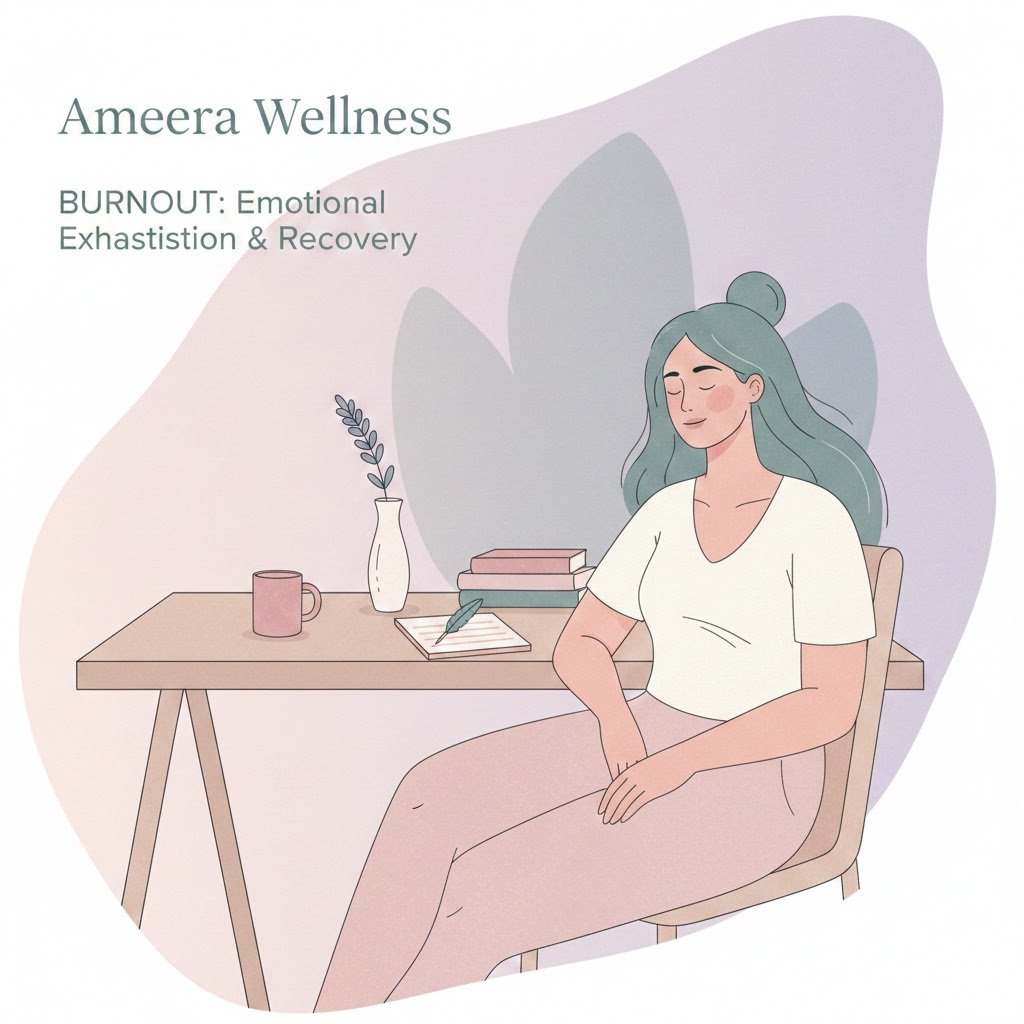
A Gentle Reminder
Burnout is not a personal failure.
It is often a signal — not a flaw.
It signals that something needs adjustment.
It invites you to pause, reflect, and realign.
Healing from burnout is possible, but it requires compassion, boundaries, and sometimes professional guidance.
At Ameera Wellness, we believe restoration is not indulgent — it is essential. When rest isn’t enough, deeper support can help you regain clarity, balance, and emotional strength.